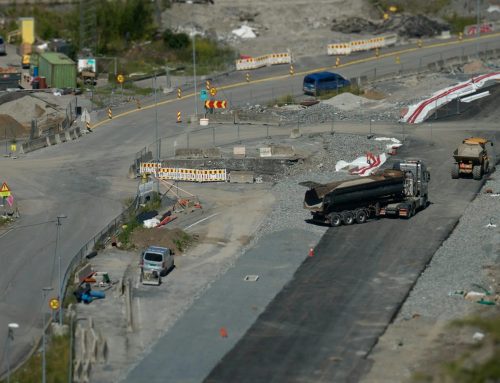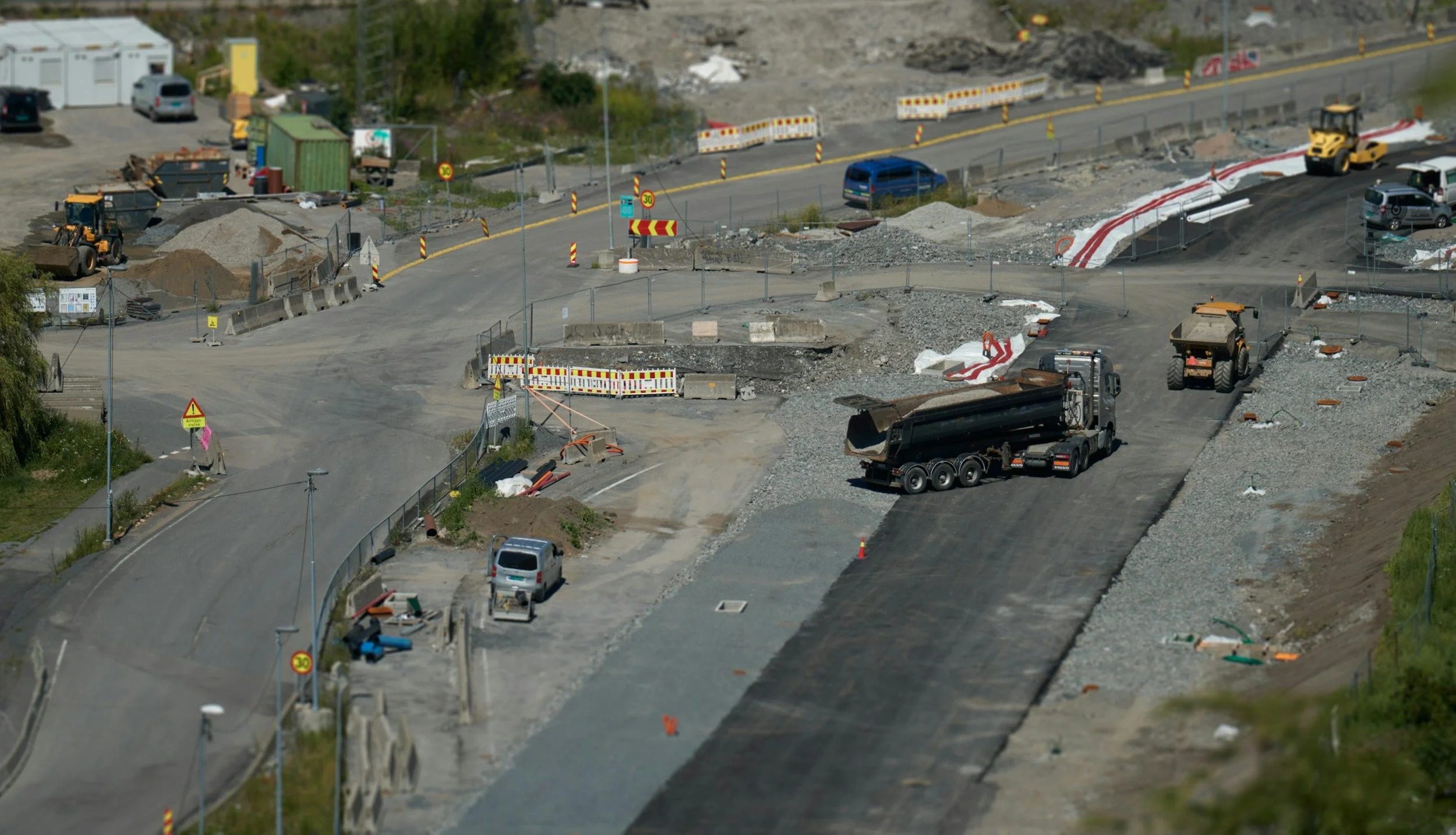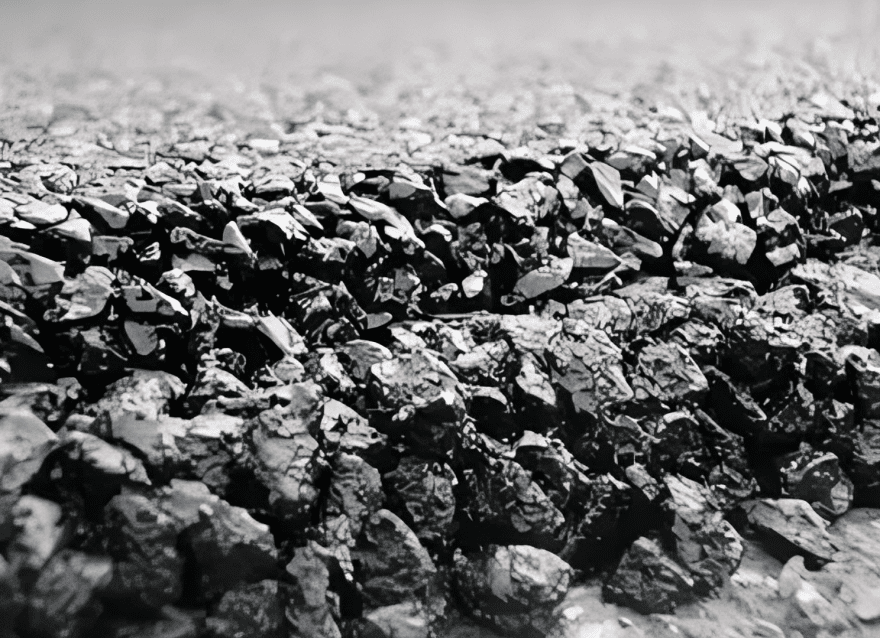

Council has stated that the Township has no input into the proposal because the Official Plan allows for an Asphalt Plant on an operational Gravel Pit.
CONCLUSION
‘The Proponent’ and its consultant MHBC have misrepresented their legal rights to the Cramahe Council and to the community.
1. ‘The Proponent’s Proposal Must Comply with Local Official Plans
Subsection 3(5) of the Planning Act (Ontario), states:
Policy statements and provincial plans
(5) A decision of the council of a municipality, a local board, a planning board, a minister of the Crown and a ministry, board, commission or agency of the government, including the Tribunal, in respect of the exercise of any authority that affects a planning matter,
(a) subject to a regulation made under subsection (6.1), shall be consistent with the policy statements issued under subsection (1) that are in effect on the date of the decision; and
(b) shall conform with the provincial plans that are in effect on that date, or shall not conflict with them, as the case may be. 2006, c. 23, s. 5; 2017, c. 23, Sched. 5, s. 80; 2023, c. 10,
Sched. 6, s. 2 (1). (emphasis added)
Official plans of municipalities that have been approved pursuant to subsection 17(1) of the Planning Act
(Ontario) fall within the policy statements and plans to which this requirement applies.
This requirement binds both Council and the Ministers and provincial agencies involved.
2. Use of the Property as an Asphalt Plant is not Automatically Permitted
The Official Plan of the Township of Cramahe, as approved by the Minister as of March 2024, section
5.11.1, restricts the “permitted” use of an approved gravel pit (such as this Property) as an asphalt plant in several ways, as follows:
5.11.1 Permitted Uses
Permitted uses shall include sand and gravel pits and quarries licensed under the Aggregate
Resources Act. In addition, associated operations such as … asphalt batch plants may be permitted
provided these associated operations will be compatible with other uses permitted by this plan, and will in no way hamper the rehabilitation of these areas for other land uses.
Contrary to the Proponent’s claim, this indicates that use of the Property as a permanent asphalt plant as proposed is not currently permitted under their existing aggregate extraction permit.
This is so for at least four reasons
- First, such use is only permitted as an “associated” operation to the continued use of the Property as a gravel extraction pit, which is neither proposed nor demonstrated to be possible in this case.
- Second, the statement that such use “may be permitted” clearly indicates that it is not automatically permitted, simply by the fact of an existing gravel extraction permit, as the proponent claims. Rather, it means that a separate permit application is required.
- Third, this language requires, as a condition of such separate application, permit that the proponent show that such proposed use “will be compatible with other uses permitted by this plan”. This broad language encompasses both uses within the Property, itself, and uses of surrounding properties that are permitted by the Plan. The proponent has consistently refused to provide information requested by Council and the community to permit an objective assessment of this requirement, despite the presentation of extensive evidence indicating serious incompatibilities.
- Finally, the proponent has presented no plan for the rehabilitation of the Property for other uses after the proposed asphalt operations cease.
3. Use of Telephone Road as a Heavy Truck Haulage Route is Not Permitted
In the Northumberland County Official Plan, approved as of November 23, 2016, Telephone Road is not identified as an established truck haul route for asphalt. In fact, it is not even identified in Schedule C as a local arterial road, let alone a truck haulage route. Indeed, the only designation of Telephone Road in Schedule C is that it forms part of the County Cycling Network, which would seem to be incompatible with use as a truck haul route for asphalt.
Section D5.5.2 of that Plan also provides that if a new haul route is proposed, it shall only be approved if the applicant has demonstrated that specified conditions related to the proposed route have been met, including (by way of example, only) requirements related to the effect of additional truck traffic on safety, sensitive land uses along the route, road classification, surface and other physical characteristics, and the impacts of noise, odour, dust and vibration on adjacent land uses. This is consistent with Provincial
Policy Statement 2024 of the Ontario Ministry of Municipal Affairs and Housing, which requires that new industrial uses should not have “adverse effects” on “sensitive land uses”, including but not limited to residences (sections 2.8.2(2) and 3.5(2)).
Council and the community have repeatedly requested information respecting these requirements, but the proponent has persistently failed or refused to provide it.
The proponent has also not demonstrated that its proposed use of Telephone Road for these purposes meets applicable Provincial standards, such as the December 2011 guidelines of the Ontario Trucking Association found in Local Truck Routes: A Guide for Municipal Officials.
Further, while the Cramahe and Northumberland Official Plan do expressly permit the use of portable batch asphalt plants in certain areas such as operating aggregate pits, subject to these and other specified conditions, they contain no provision permitting the use or operation of permanent asphalt plants of the kind proposed.
4. It is not Clear What Fee, If Any, will be Payable to the Township
The proponent has not provided the community with a copy of its existing permit for gravel extraction, but it has previously suggested that the same fee will continue be payable as at present, once the site is operating as an asphalt plant. That fee is pennies per ton. However, this was apparently contradicted by the proponent’s planning consultant at the meeting with Council held on February 11, 2025.
At that meeting, the consultant referred to the wording of the current fee as applying to extracted gravel, not to asphalt to be produced at the proposed plant. He also suggested this fee would be paid on gravel extracted from other gravel pits in the Township, that provide gravel to the proposed asphalt plant, rather than on the asphalt it produces. This suggested that no additional fee at all will be payable to the Township from production at the proposed plant. The only fee payments will be from other gravel pits in the Township that supply gravel to the proposed plant.
Council’s questions about the amounts of the gravel extraction fees paid historically, and estimates of amounts payable under the new proposal, have not been answered.
5. Acknowledgements
This review, as presented to the special meeting of Cramahe Council on February 18, 2025, has been conducted based on pre-retainer consultations with the Canadian Environmental Law Association and a leading Toronto practitioner in municipal and environmental law.
M. Philip Tunley, Barrister. Director CRAA